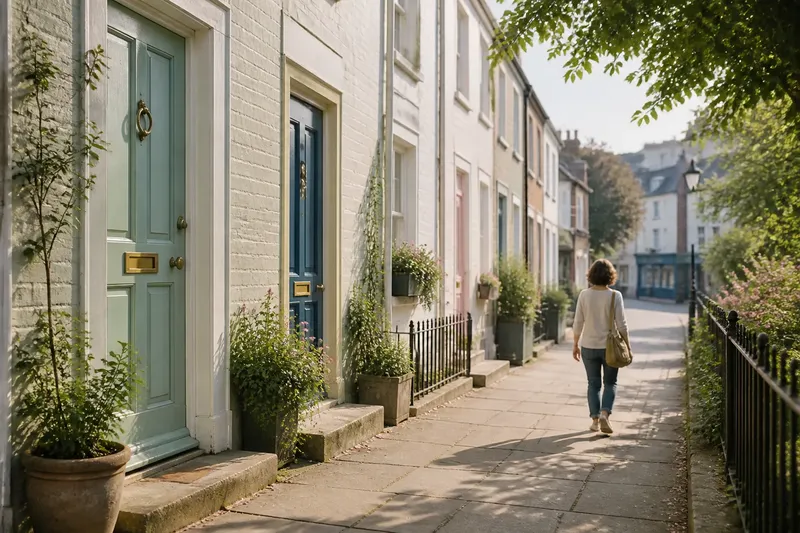
Why the Sunday Stroll Became a Social Ritual
Sunday strolls turn an ordinary walk into shared time. Learn how to shape a sociable route, choose a fitting pace and make small details part of the ritual.
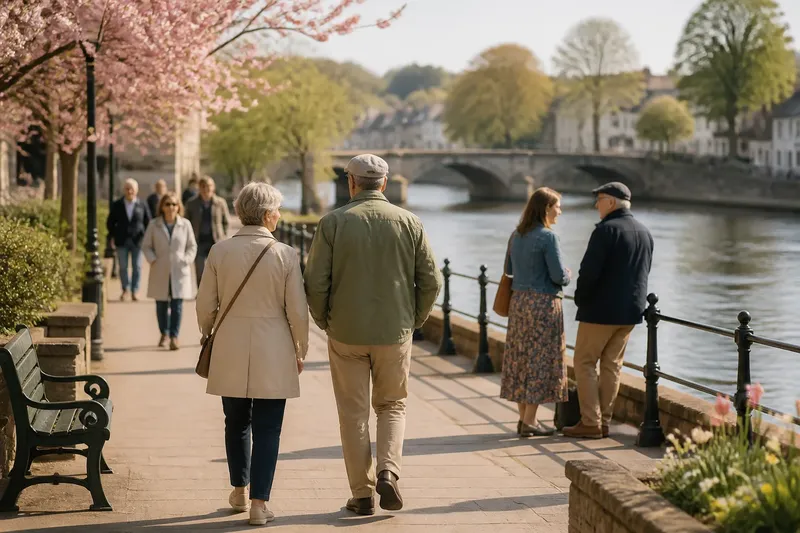
The common mistake with a Sunday stroll is to judge it by how far you get. That can turn a familiar outing into a route to conquer, leaving little room for the small exchanges that make walking together feel special. A Sunday stroll works best as a social ritual: the route provides a setting, not a scorecard.
There is no single origin story to claim for the custom. Its shape has differed between communities and generations, depending on local habits, access to public space and how people spend their leisure time. The useful idea is simpler: a walk can become a shared occasion through repetition, familiar faces and the details people notice together.
Why did the Sunday stroll become a social ritual?
In places where Sunday offered a pause from work or routine, a walk through a park, promenade or familiar street could bring people into public view without an errand to complete. Neighbours might exchange greetings; relatives could spend time side by side. The setting gave these encounters a natural rhythm, with movement, pauses and conversation all part of the outing.
That did not make every stroll alike. One group might walk after a meal, while another chose a busy promenade for the chance to see familiar faces. Local beliefs, work patterns and access to welcoming public spaces shaped what felt comfortable. Rather than one universal tradition, the Sunday stroll is a name for varied customs that placed shared leisure outdoors.
Its social character lies in the way a route holds company. A familiar bench can become the place where someone tells a story; a broad path can make it easy to greet passing neighbours. The setting need not be grand. What matters is that people can share the walk in a way that suits them.
What makes a stroll a shared ritual?
A shared ritual has recognisable details: the same meeting place, a familiar stretch of path, or a customary stop to watch the boats or admire a shop window. Repeating a small pattern gives the outing a sense of occasion without requiring a special destination.
Choose details that belong to the people taking part. A family might meet by the park gate; two friends might pause at the same old plane tree. These habits become meaningful through use, not because the route has to be historic or picturesque.
It can help to agree on the mood before setting out. “Let’s take the riverside path and catch up” signals a different kind of outing from “Let’s walk briskly to the market”. Clear expectations make it easier for everyone to settle into the same rhythm.
How do you choose a route that suits the company?
Think about what the setting invites people to do together. A promenade makes greetings easy; a quiet garden may suit a private conversation. A canal towpath can offer a steady, open route, while a high street brings shopfronts and passing activity into the walk.
Look for practical features that make the route comfortable for the group: a surface people can manage, places to pause and a simple way to shorten the outing. If someone has limited mobility, a level paved path may be a better fit than an uneven scenic track. Check local access information where needed, and ask the people coming what would make the walk manageable.
- If the path is uneven and someone in the group would struggle on it, choose a smoother alternative; if everyone is comfortable with the surface, keep the original route.
- If there is nowhere to sit and someone may need a rest, choose a path with benches or a low wall; if the group does not need a rest stop, the lack of seating may not matter.
- If the route passes busy roads and conversation would be difficult, choose a quieter park path; if the group enjoys lively streets, keep the town route.
- If the loop has no easy turning point and someone may need to leave early, pick a route with a clear return option; if everyone can stay for the whole outing, the longer loop remains possible.
- If the meeting place is hard to recognise, agree on a more obvious landmark such as the main park gate; if everyone knows the spot, keep the familiar meeting point.
- If the forecast suggests rain and the route has little shelter, choose a covered promenade or postpone; if the group is comfortable walking in light rain, keep the route and bring suitable outerwear.
Say you and a friend plan to meet in a riverside town. The initial idea is a walk to a café, but your friend mentions sore feet and limited time. You check the riverside map, notice that the path is level and passes an old footbridge, then agree to walk to the bridge and turn back. You expect to have a comfortable stretch for conversation, with the landmark providing a clear point to pause or return. The trade-off is simple: you skip the café, but avoid making the outing hinge on reaching it.
For a group, set a pace that lets people stay together. A pause to watch a boat pass or wait for a slower walker is part of the shared outing, not a disruption to it.
How can you keep a Sunday stroll comfortable?
Check the weather, choose footwear for the surface and make the meeting point clear, especially if people are arriving separately. If the route is busy, consider a quieter side street or a less crowded stretch of park. Comfort makes it easier for conversation and company to take centre stage.
Let the outing’s small discoveries belong to everyone. One person might notice a new shopfront; another may recognise a tree from a childhood route. There is no need to turn each observation into a story or activity. A shared glance can be enough.
When the group wants different things, name the difference plainly. You might take a short section of the route together before one person heads to the shops and another continues towards the park. A ritual should make room for the company you have, rather than demand that everyone enjoy the same kind of walk.
What do people ask about a Sunday stroll?
Does a Sunday stroll need a destination?
No. A meeting place or a landmark to turn back from can help, but reaching a final stop need not define the outing. Choose a route that lets the group pause or return when it suits them.
How slow should a Sunday stroll be?
There is no set pace; aim for one that lets the group walk comfortably together. Pauses are part of the outing when people want to look around or talk.
Can a familiar route still feel special?
Yes. A repeated path can gather meaning through the people who walk it and the small details they notice. Changing the meeting companion or stopping place can also make the route feel different.
What if the group prefers different kinds of walks?
Say whether you have in mind a gentle catch-up, a brisk circuit or a walk towards a particular place. If preferences differ, share a short stretch and then let people continue with the plan that suits them.
What makes the Sunday stroll worth repeating?
A Sunday stroll does not need to recreate an idealised past. Its social value comes from the shared details: a familiar gate, a neighbour’s greeting, or the story that surfaces beside a favourite tree. These give an ordinary route a character that belongs to its walkers.
For your own Sunday stroll, settle on a comfortable meeting point and one small ritual, such as pausing at the bridge or taking the same path after lunch. That recurring detail gives the next walk something to look forward to, while leaving the rest of the route open to the company and the day.